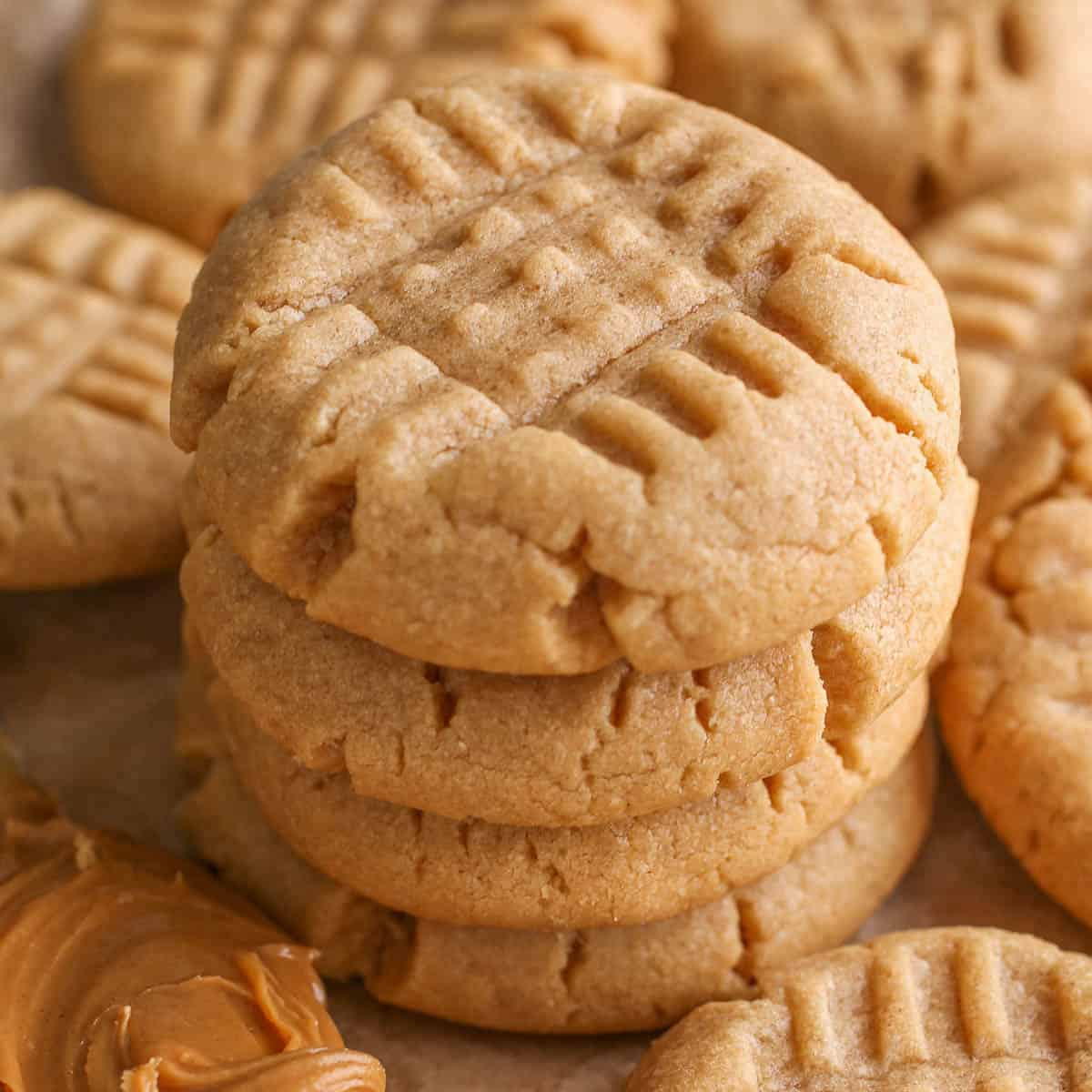
The Quest for the Quintessential Soft & Chewy Peanut Butter Cookie
There's a special kind of comfort that only a perfect peanut butter cookie can deliver. It's more than just a sweet treat; it's a bite of nostalgia, often evoking memories of childhood kitchens and Grandma's loving touch. The ideal classic peanut butter cookie is a marvel of texture and flavor: delightfully soft and chewy in the center, boasting subtly crisp edges, and absolutely bursting with that unmistakable, rich peanut butter taste. While many recipes promise perfection, the true secret to achieving this blissful balance often lies in a surprisingly simple step: chilling your cookie dough.
These aren't just any cookies; they're the kind that disappear quickly from the cookie jar, a guaranteed hit at any gathering, and a beloved staple for holiday baking. Whether enjoyed plain, adorned with classic fork marks, or elevated with chocolate chips or a dip in melted chocolate, the foundation for an extraordinary easy chewy peanut butter cookie begins with understanding its core components and, crucially, embracing the power of cold dough.
Unpacking the Essential Ingredients for Unforgettable Peanut Butter Cookies
The beauty of the best peanut butter cookies lies in their simplicity. You don't need exotic ingredients to create something truly magical. Here's a breakdown of the basic pantry staples that come together to form these irresistible treats:
- Butter: Often starting with two sticks of unsalted butter, this fat provides richness, tenderness, and helps create those coveted slightly crispy edges. Unsalted butter allows you to control the overall salt content of your cookies.
- Peanut Butter: The star of the show! While many recipes call for crunchy peanut butter for added texture, smooth peanut butter works equally well if you prefer a uniform consistency. The quality and type of peanut butter significantly influence the final flavor profile.
- Sugars: A thoughtful blend of both white granulated sugar and brown sugar is key. White sugar contributes to crispiness and sweetness, while brown sugar adds depth of flavor, moisture, and that desirable chewiness that defines a truly soft cookie.
- Eggs: Typically, two eggs serve multiple crucial roles. They act as a binder, holding the dough together, and contribute essential moisture, ensuring your cookies don't turn out dry or crumbly.
- Flour: All-purpose flour provides the necessary structure for the cookies. It's the framework that holds all the delicious flavors and textures in place.
- Leaveners: Baking soda and often a touch of baking powder are the unsung heroes that help your cookies rise, giving them a lighter texture and preventing them from becoming dense. They react with acids in the dough (like brown sugar or buttermilk if used) to create gas bubbles.
- Salt: A small pinch of salt is vital. Far from making your cookies taste salty, it enhances and balances the sweetness of the sugars and deepens the nutty flavor of the peanut butter, bringing all the elements into perfect harmony.
These straightforward ingredients, when combined correctly and treated with a little patience, lay the groundwork for the most satisfying chewy peanut butter cookies you'll ever bake.
The Secret Weapon: Why Chilling Your Peanut Butter Cookie Dough is Non-Negotiable
If you're aiming for those incredibly thick, soft, and chewy peanut butter cookies – the kind that resist spreading too much in the oven – then chilling your dough is not merely an optional step; it's a fundamental technique. As culinary developer Nicole McLaughlin (a.k.a. NicoleMcMom) wisely advises, "Don’t forget to chill the cookie dough before rolling it into balls, as cookies have a tendency to spread in the oven and chilling makes the dough easier to work with." Let's delve into the scientific magic behind this seemingly simple pause:
- Flour Hydration and Flavor Development: Chilling allows the flour in your dough ample time to fully hydrate and absorb the liquids. This process is crucial for preventing crumbly cookies and creating a more tender, flavorful crumb. As the ingredients meld and rest, their flavors deepen and become more complex, resulting in a richer tasting cookie.
- Preventing Excessive Spreading: This is arguably the most significant benefit. When the butter and peanut butter in your dough are cold and firm, they melt much slower in the hot oven. This slower melting gives the cookie's structure (from the flour and eggs) time to set before the fats fully liquify, preventing the cookies from spreading into thin, flat discs. The result? A thicker, chewier cookie with those desirable soft centers.
- Easier Handling: A chilled dough is significantly less sticky and much firmer, making it a dream to work with. Rolling uniform balls becomes effortless, and applying the classic crisscross fork marks is neat and precise, contributing to that nostalgic, professional appearance.
- Enhanced Texture: The combination of better hydration and controlled spreading contributes directly to the soft and chewy texture everyone craves. It’s the difference between a sad, flat cookie and a plump, satisfying one.
Beyond the Chill: Expert Tips for Mastering Your Peanut Butter Cookies
While chilling the dough is paramount, a few other expert tips can elevate your homemade peanut butter cookies from great to absolutely extraordinary:
- Don't Skip the Crisscross: The iconic fork marks are more than just charming aesthetics. As Nicole McLaughlin points out, they serve a practical purpose by helping the cookies bake more evenly. Without these indentations, the thick dough might struggle to cook uniformly through the center. For a deeper dive into this classic technique, check out our guide on Classic Peanut Butter Cookies: Master Crisscross & Avoid Overbaking.
- The Golden Rule: Don't Overbake! This is perhaps the most common pitfall for aspiring cookie bakers. "A lot of people complain about peanut butter cookies becoming crumbly," Nicole says. "The main reason for that is that they’re overcooked." Keep a close eye on your cookies and check them at the 7-8 minute mark. They should look set around the edges but still appear slightly soft and pale in the center. Remember, cookies continue to cook slightly from residual heat after they're removed from the oven.
- Embrace Add-ins: While perfect on their own, peanut butter cookies are incredibly versatile. Stir in chocolate chips (milk, dark, or white!), Reese's Pieces, or even a sprinkle of sea salt before baking. For an extra touch of decadence, dip the cooled bottoms into melted chocolate.
Storing and Freezing Your Perfect Peanut Butter Cookies
Once you've achieved a batch of these glorious soft and chewy peanut butter cookies, you'll want to ensure they stay fresh and delicious for as long as possible. Proper storage is key to maintaining their delightful texture.
- Room Temperature Storage: Allow your cookies to cool completely before storing them. This is vital because trapped steam from warm cookies will create condensation, making them soggy. Once fully cooled, transfer them to an airtight container or a cookie jar. They will remain wonderfully soft and fresh at room temperature for up to five days.
- Freezing Dough for Future Indulgence: For the ultimate convenience and to ensure you always have fresh-baked cookies at your fingertips, consider freezing the dough. The best method is to roll the chilled dough into individual balls, press them with the classic crisscross fork marks, and then freeze them on a baking sheet until solid. Once frozen, transfer the dough balls to a freezer-safe bag or airtight container. When a craving strikes, simply remove the desired number of balls from the freezer and bake according to your recipe, adding a minute or two to the baking time if needed. For more in-depth advice on keeping your cookies pristine, explore our guide on Easy Chewy Peanut Butter Cookies: Essential Tips for Storing & Freezing.
Conclusion
The journey to crafting the best soft and chewy peanut butter cookies is a delightful one, made infinitely easier and more successful with a few key insights. While simple ingredients form the foundation, it's the strategic step of chilling your dough that truly transforms good cookies into extraordinary ones. This brief pause in the baking process ensures proper flour hydration, prevents dreaded spreading, and ultimately delivers a cookie that is thick, tender, flavorful, and perfectly chewy. Coupled with careful baking to avoid overcooking and smart storage techniques, you're now equipped to bake a batch of peanut butter cookies that will undoubtedly become a cherished family favorite – a taste of pure perfection, every single time.
